A museum of postwar American military aviation
From the sound barrier to invisibility.
In the fifty years after World War II, American engineers took the fighter from 600 mph aluminum to Mach 3 titanium to radar-invisible computing. These are the machines, the engines inside them, and the people who drew them — told from the primary record.
Enter the collectionExplore the SR-71 in 3D ↗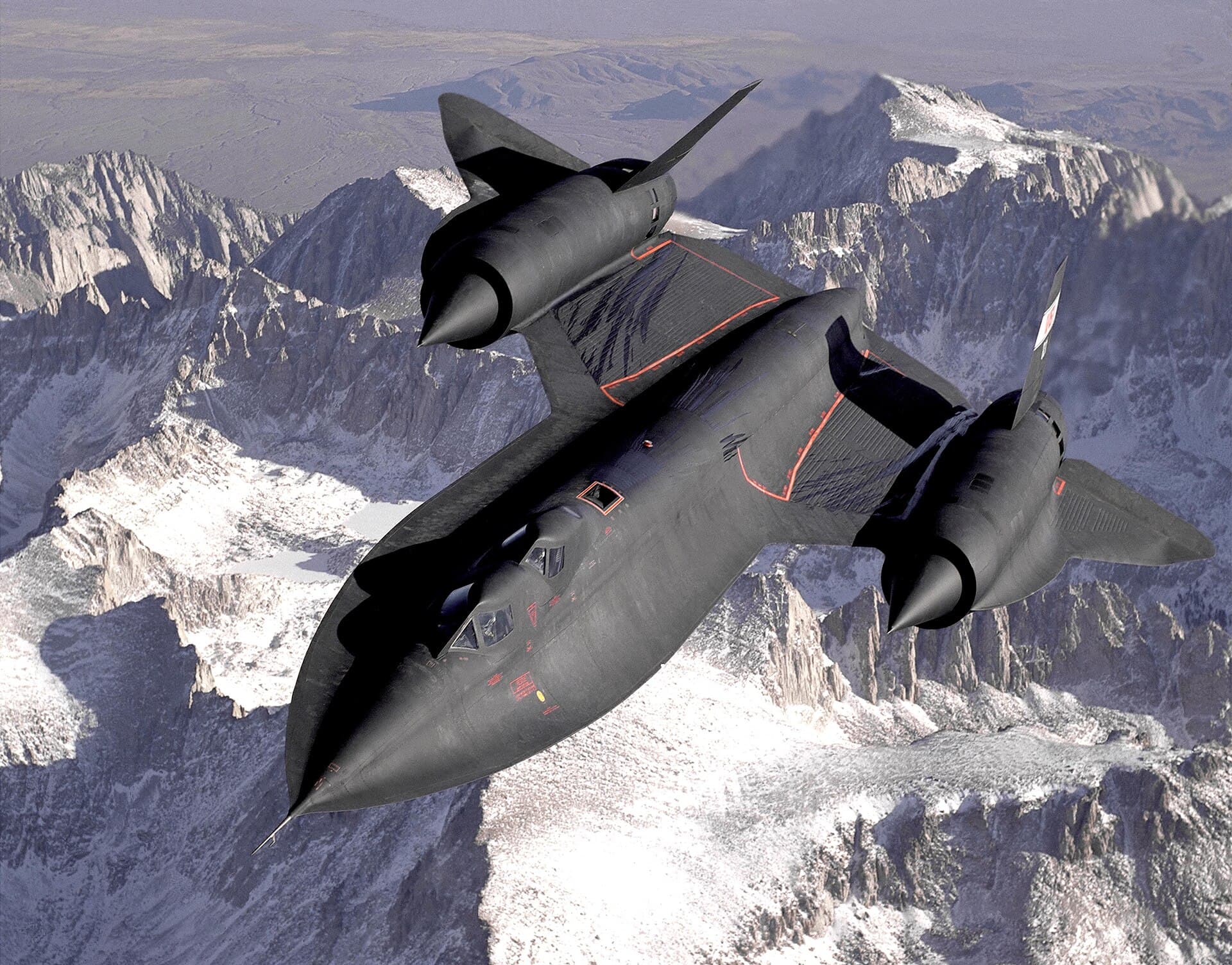
The Collection
Nineteen exhibits, in chronological order of first flight.
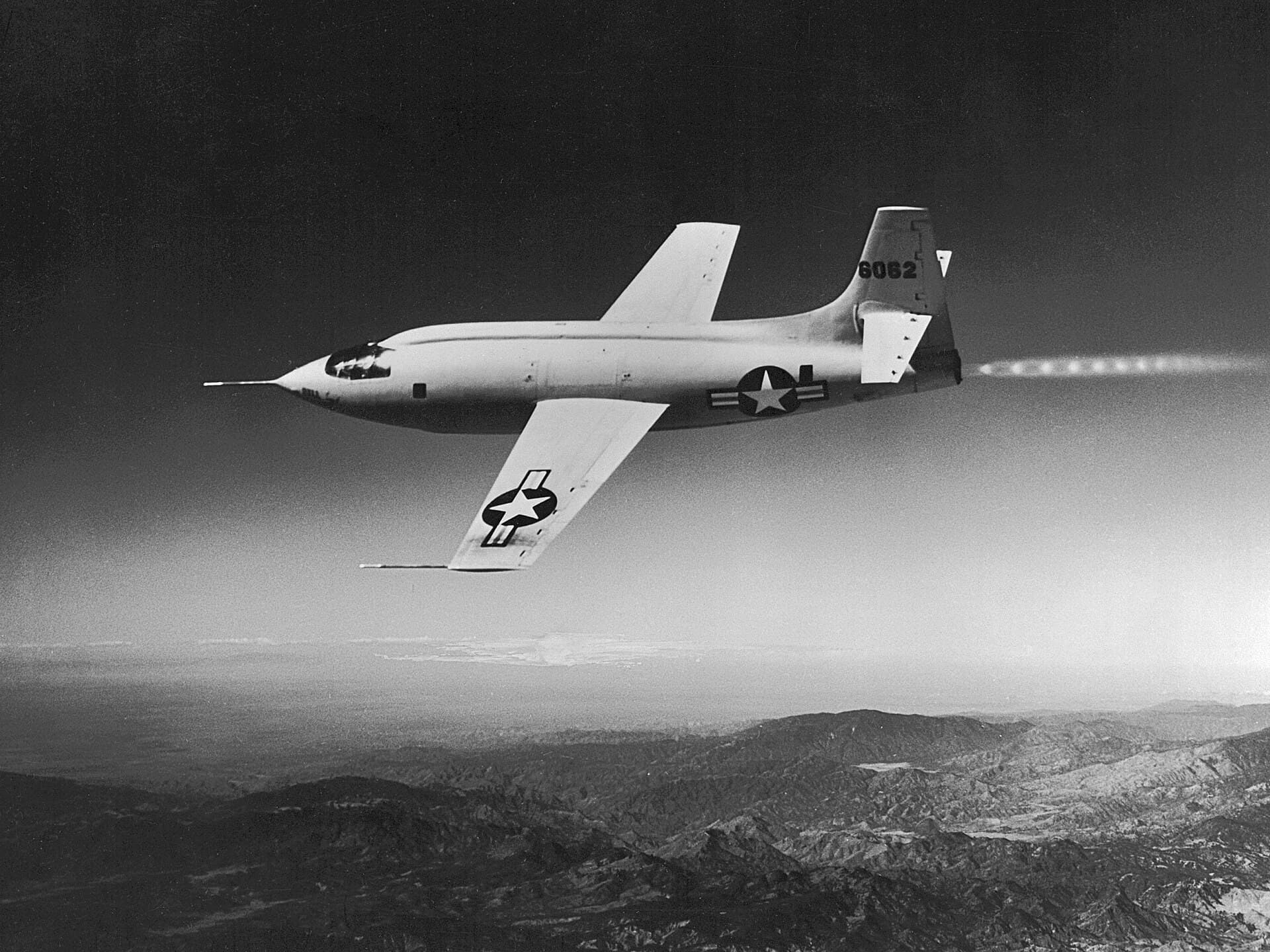
Bell X-1
Exhibit 01Bell Aircraft · first flight 1946 (powered)
The orange bullet that proved the sound barrier was a myth.
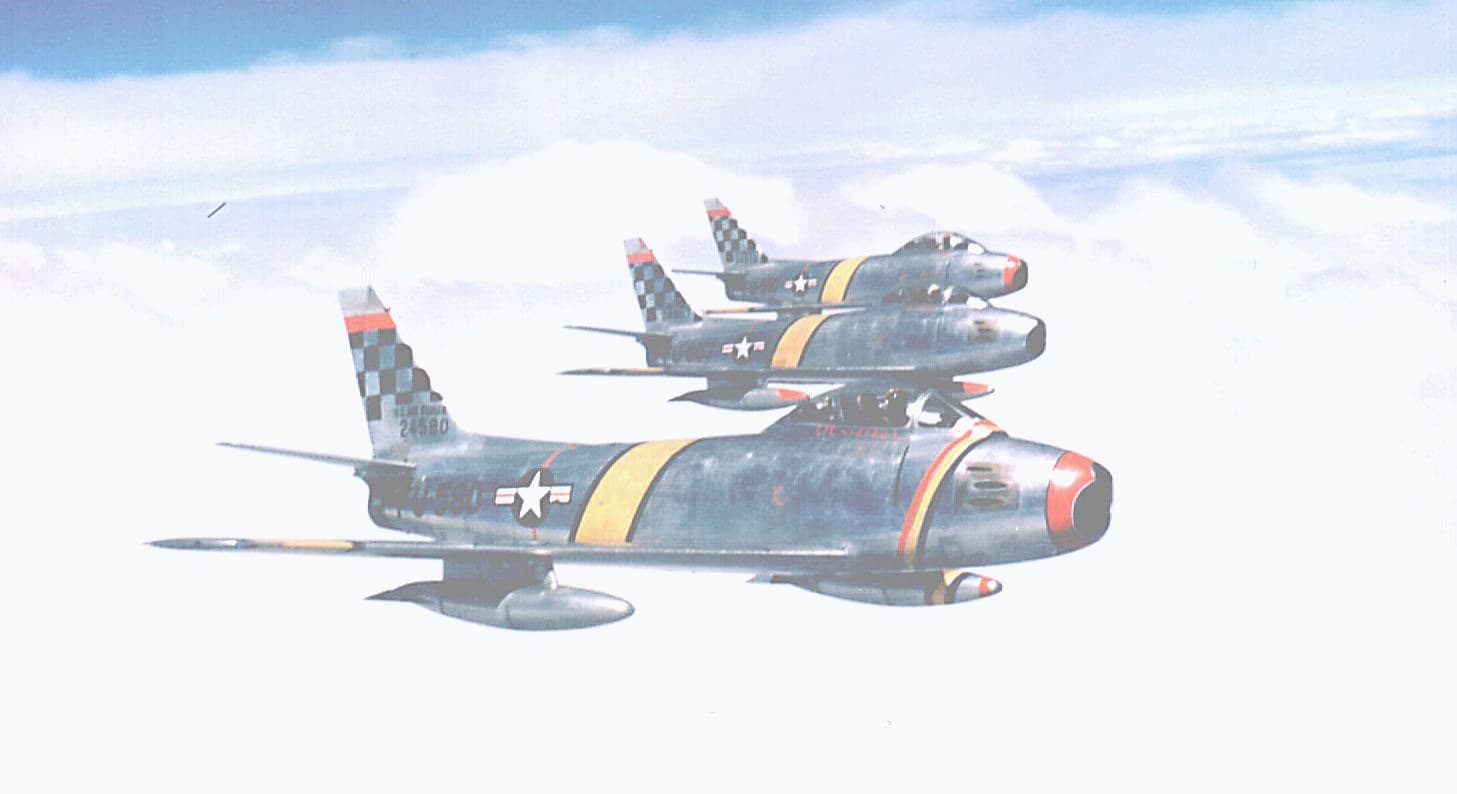
F-86 Sabre
Exhibit 02North American Aviation · first flight 1947
America's first swept-wing fighter, and victor of MiG Alley.
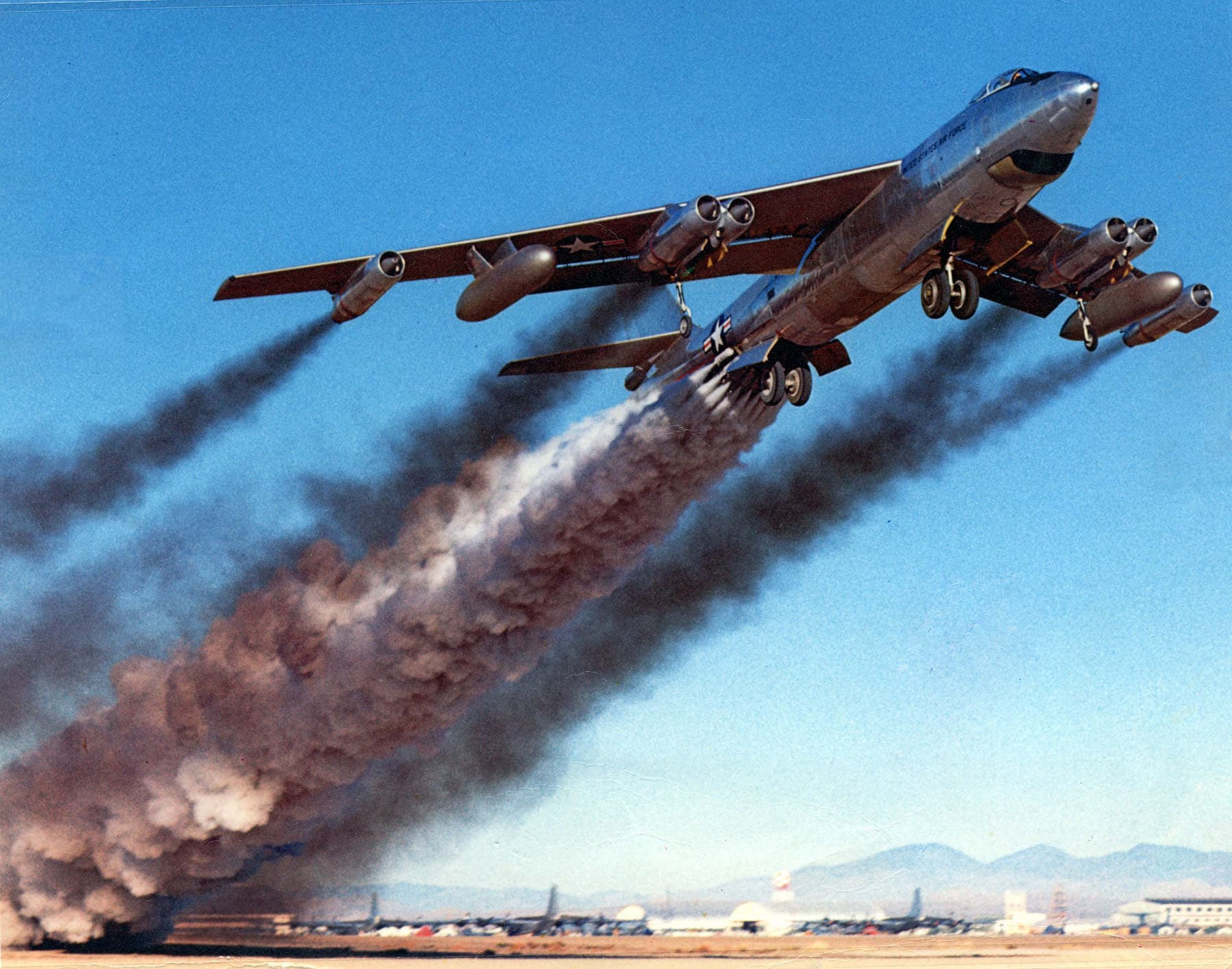
B-47 Stratojet
Exhibit 03Boeing · first flight 1947
The airplane every jet airliner is descended from.
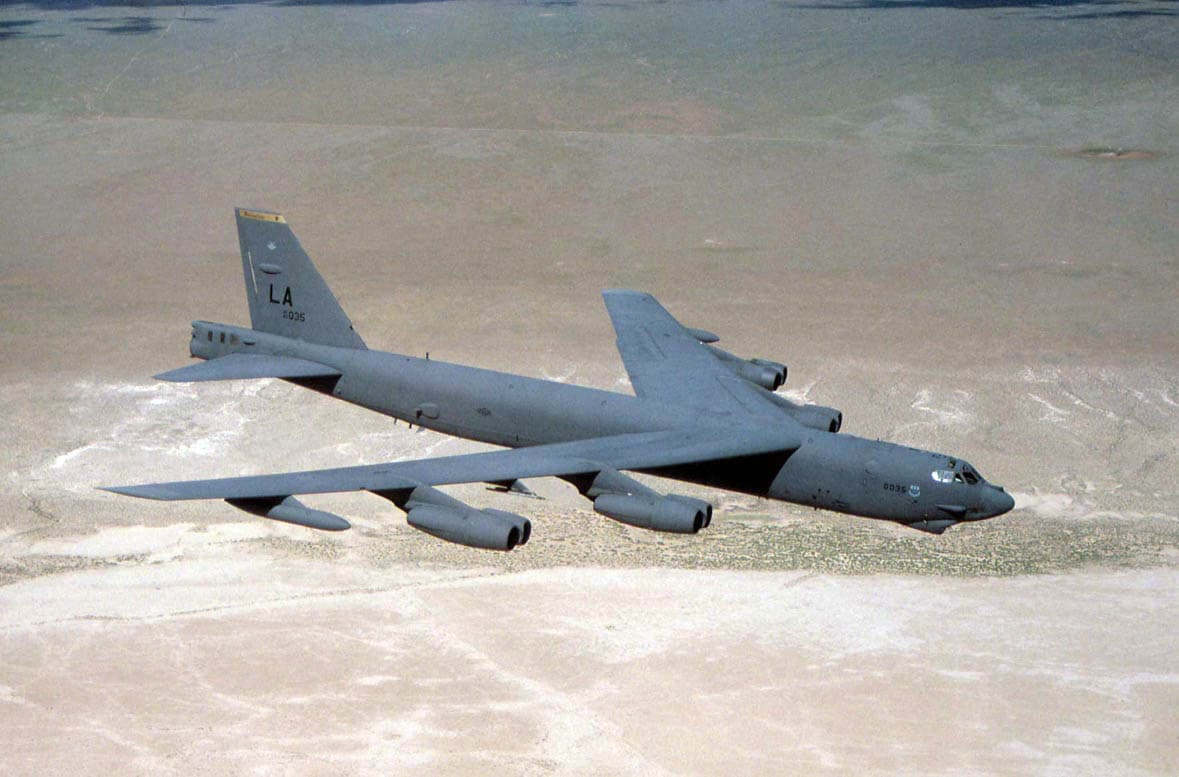
B-52 Stratofortress
Exhibit 04Boeing · first flight 1952
The bomber designed in a hotel room that will fly for a century.
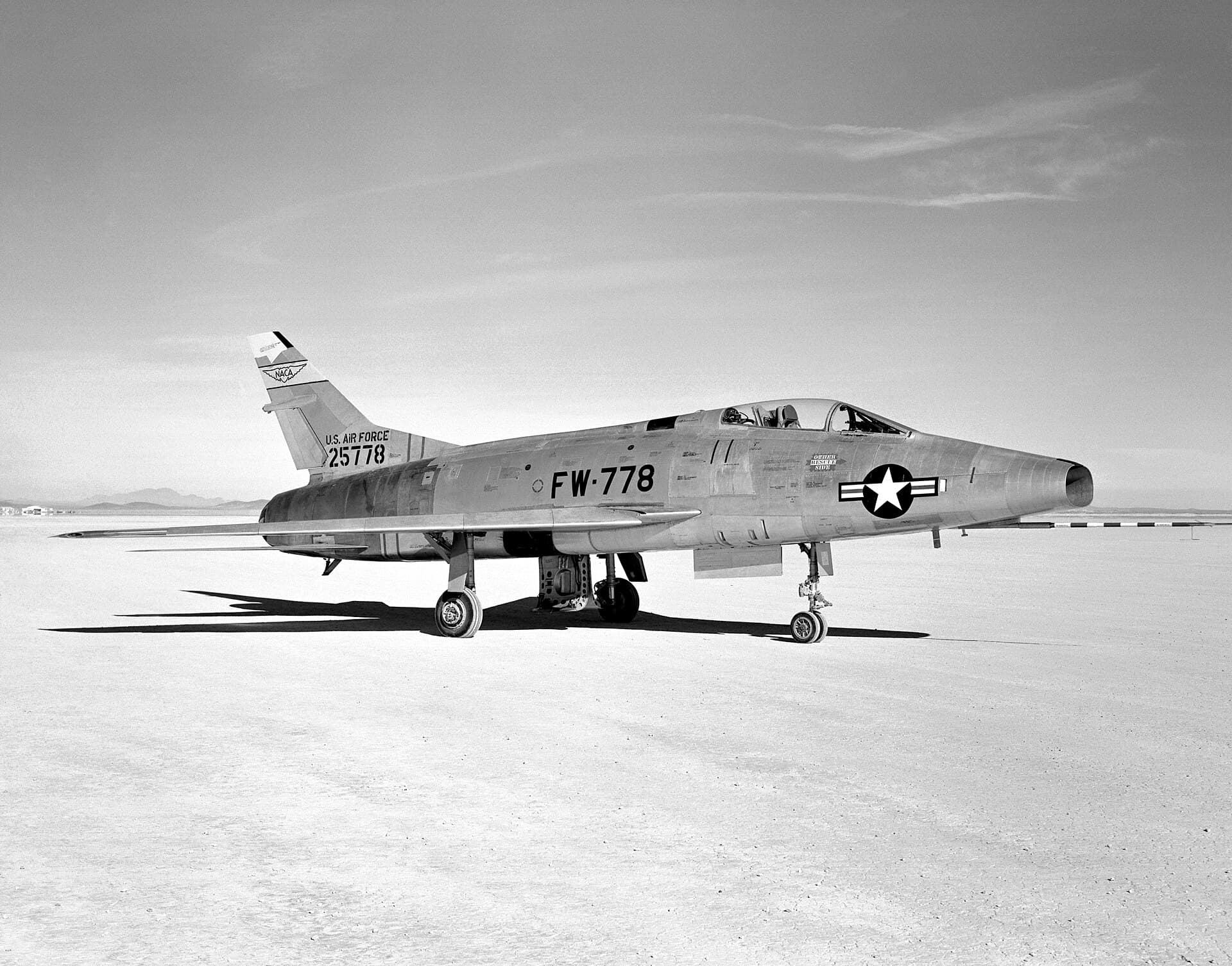
F-100 Super Sabre
Exhibit 05North American Aviation · first flight 1953
The first fighter to go supersonic on the level — and the first to teach the price.
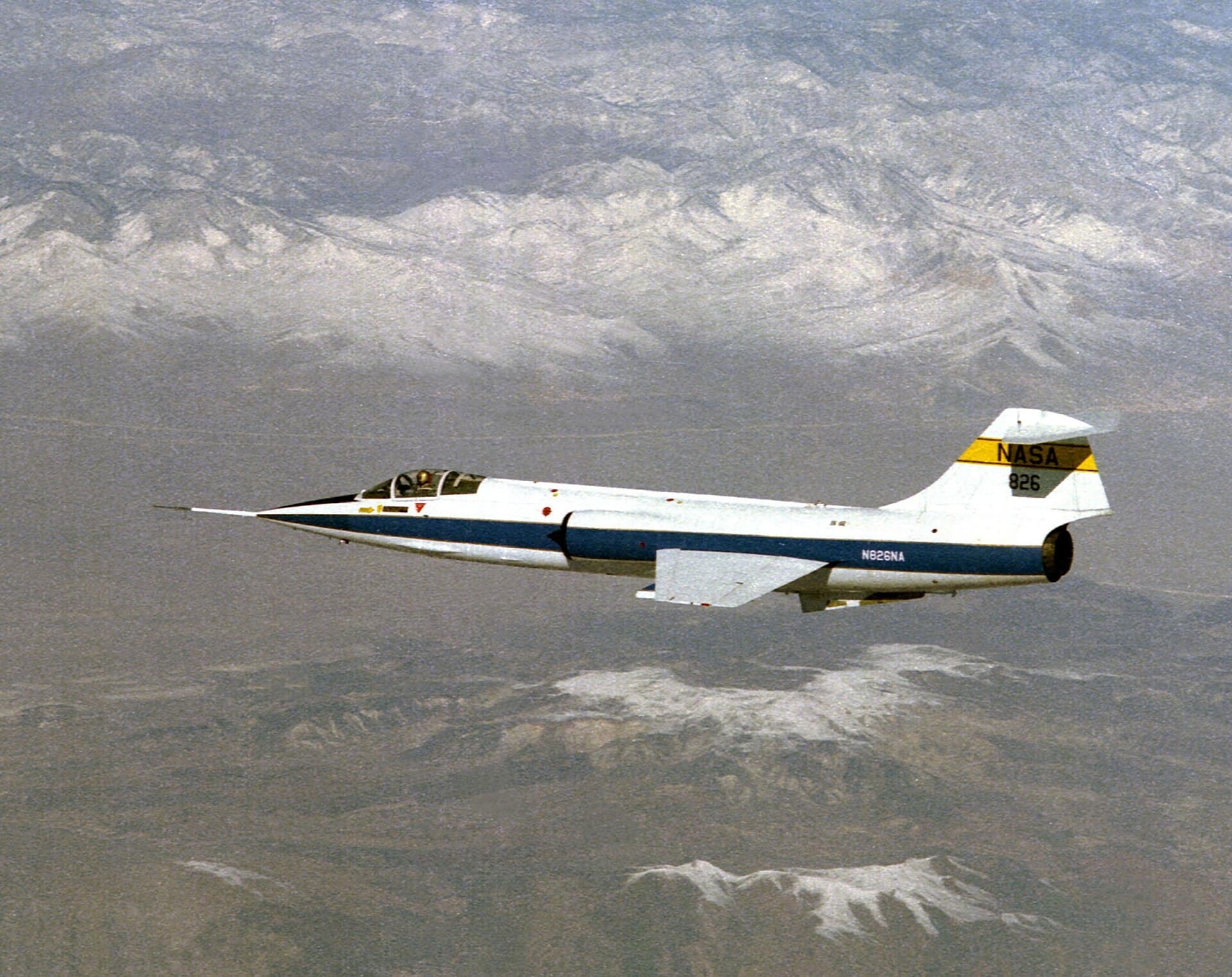
F-104 Starfighter
Exhibit 06Lockheed (Skunk Works) · first flight 1954
Kelly Johnson's answer to one question: how fast can a fighter possibly go?
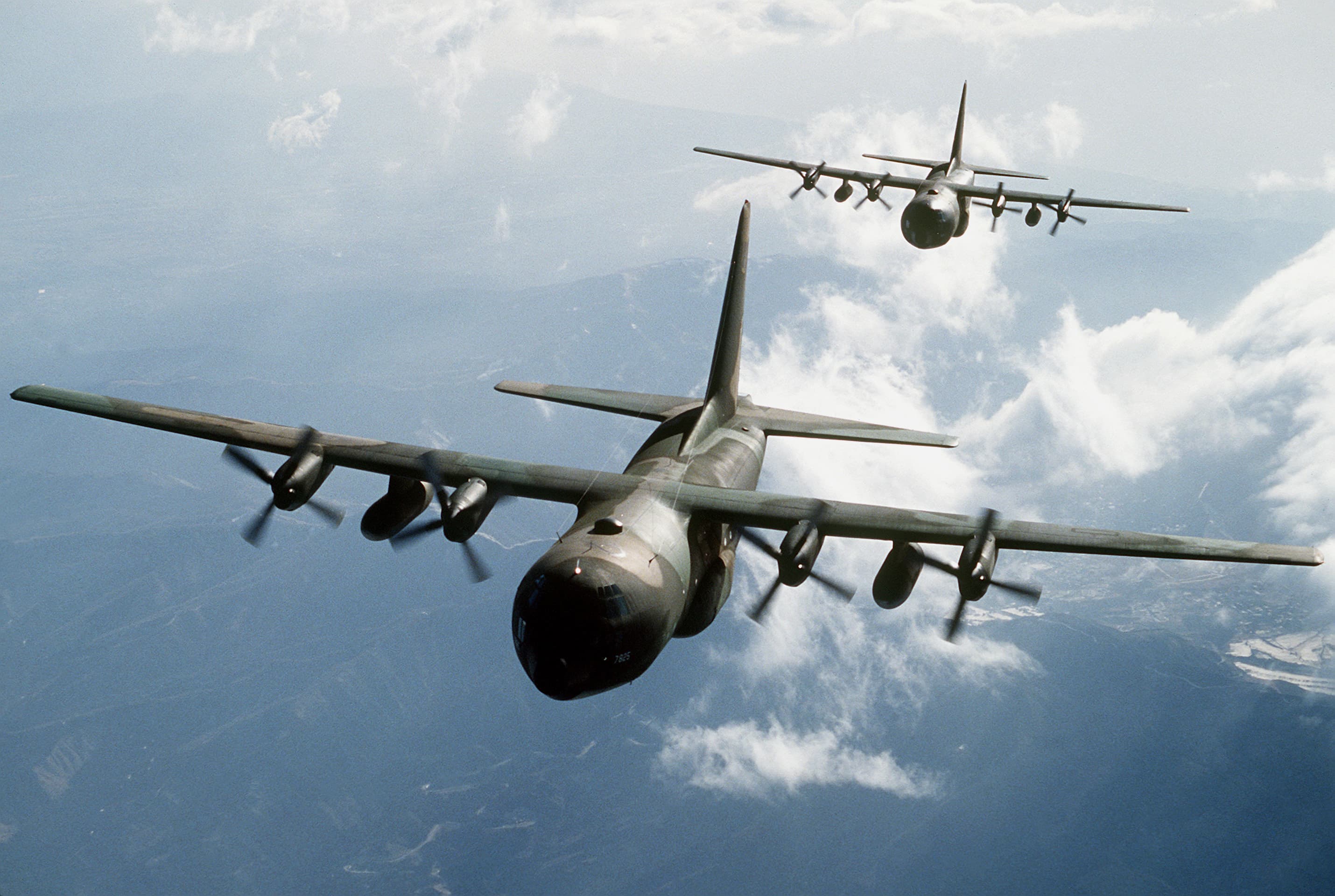
C-130 Hercules
Exhibit 07Lockheed · first flight 1954
Seventy years in production, and the design brief was simply: be useful.
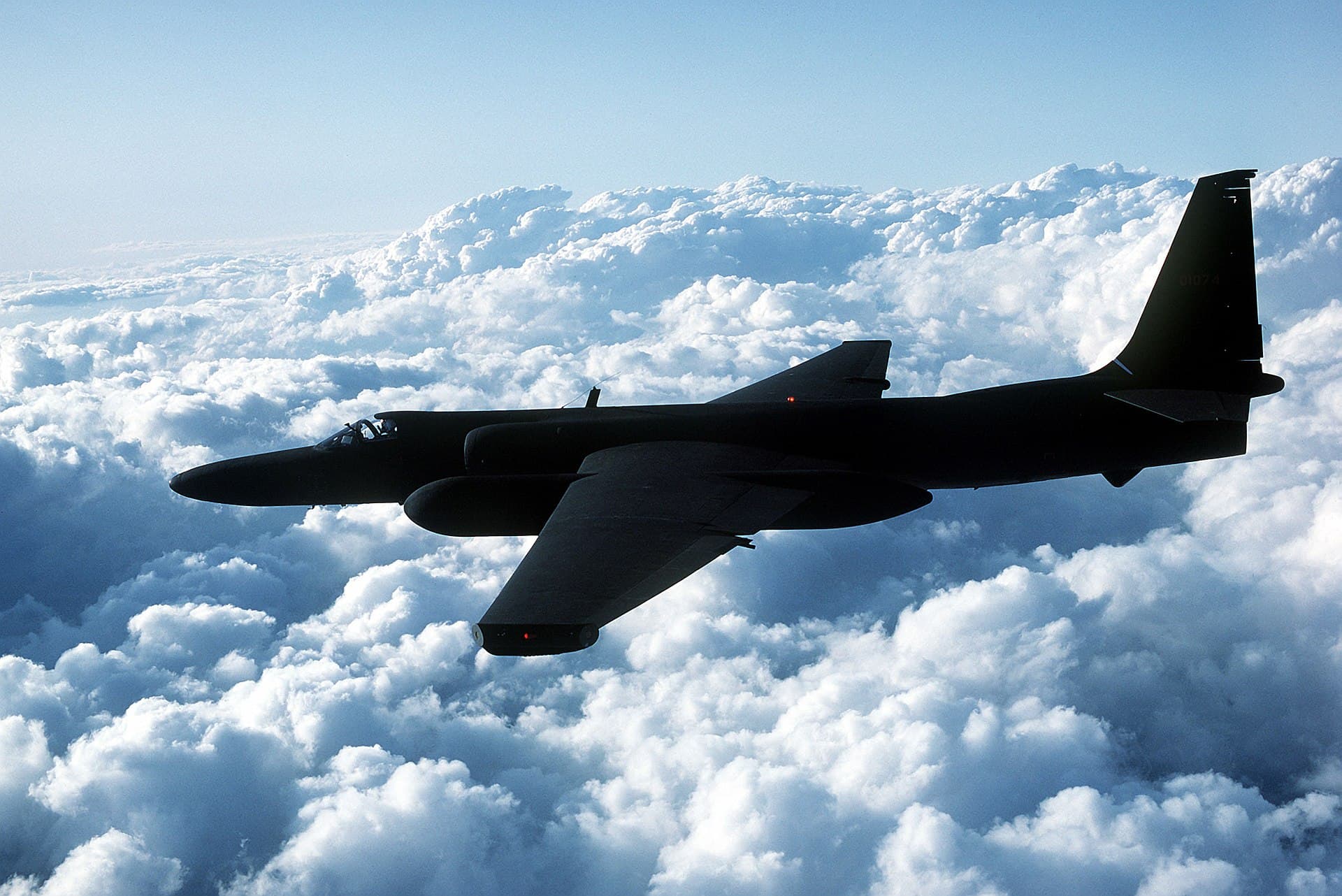
U-2 Dragon Lady
Exhibit 08Lockheed (Skunk Works) · first flight 1955
A jet-powered glider built in secret in eight months to look down on the Soviet Union.
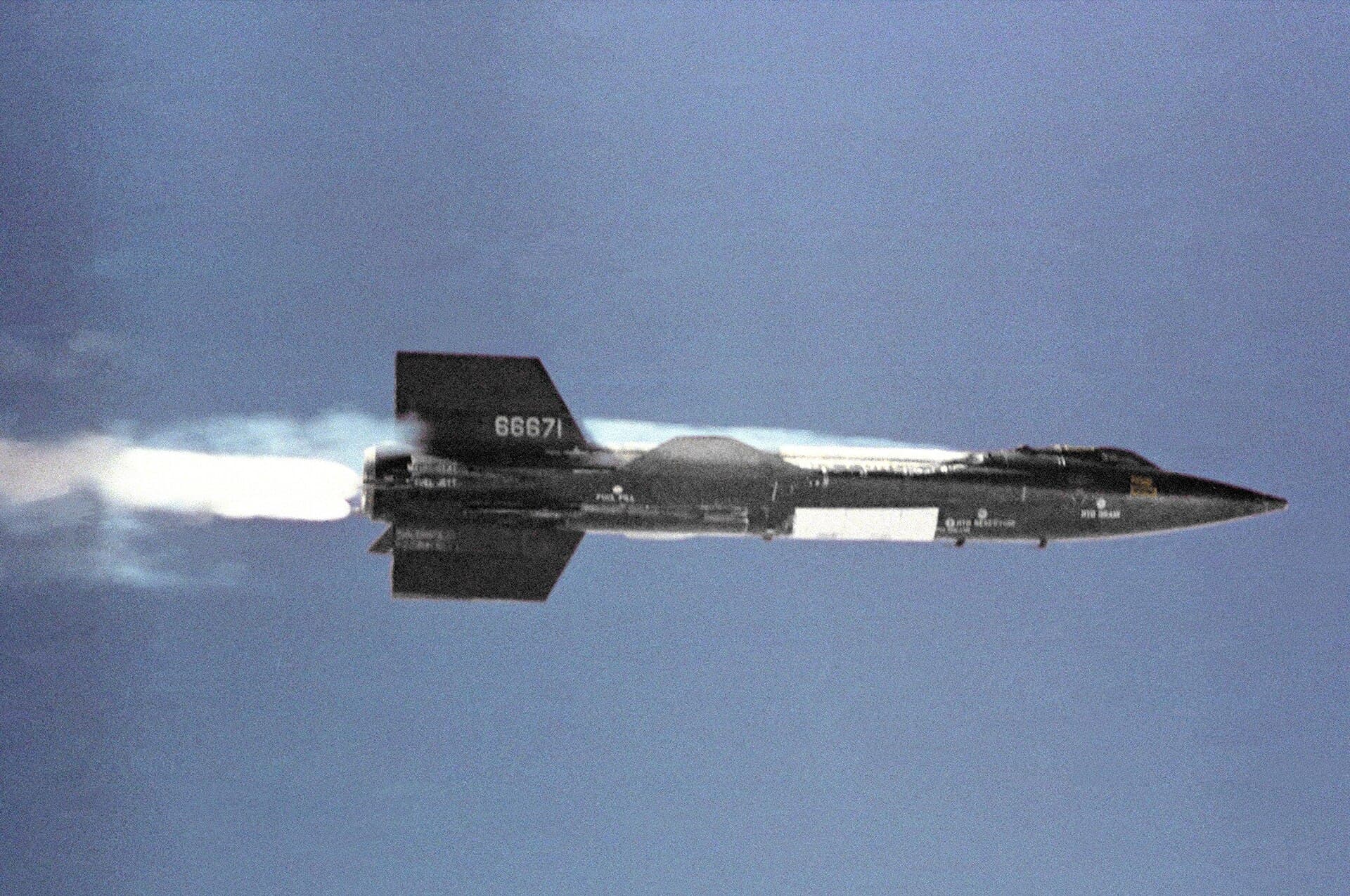
North American X-15
Exhibit 09North American Aviation · first flight 1959 (powered)
The fastest piloted aircraft ever flown: Mach 6.7, and to the edge of space.
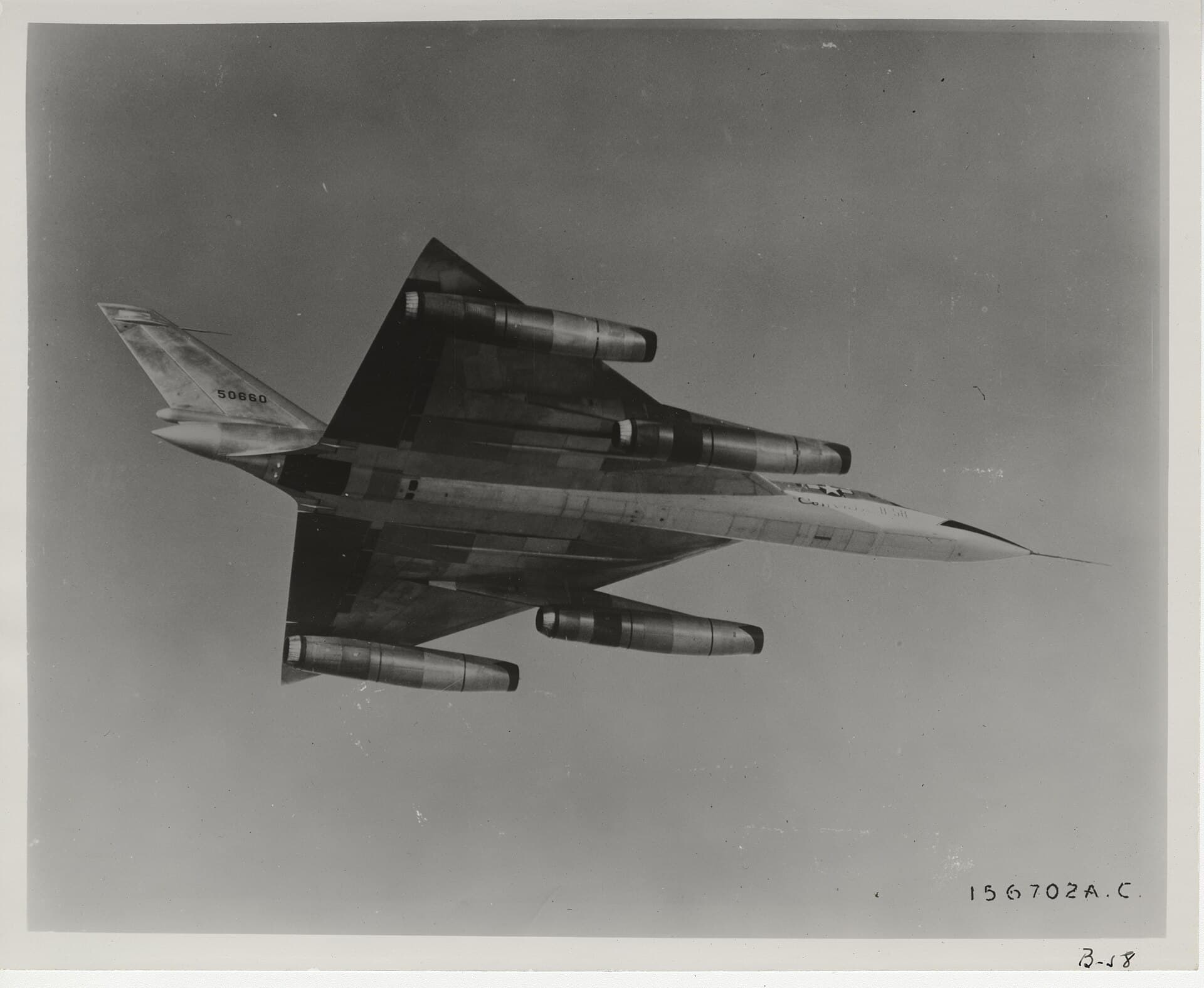
B-58 Hustler
Exhibit 10Convair · first flight 1956
A Mach 2 bomber of impossible beauty, obsolete the day it was perfect.
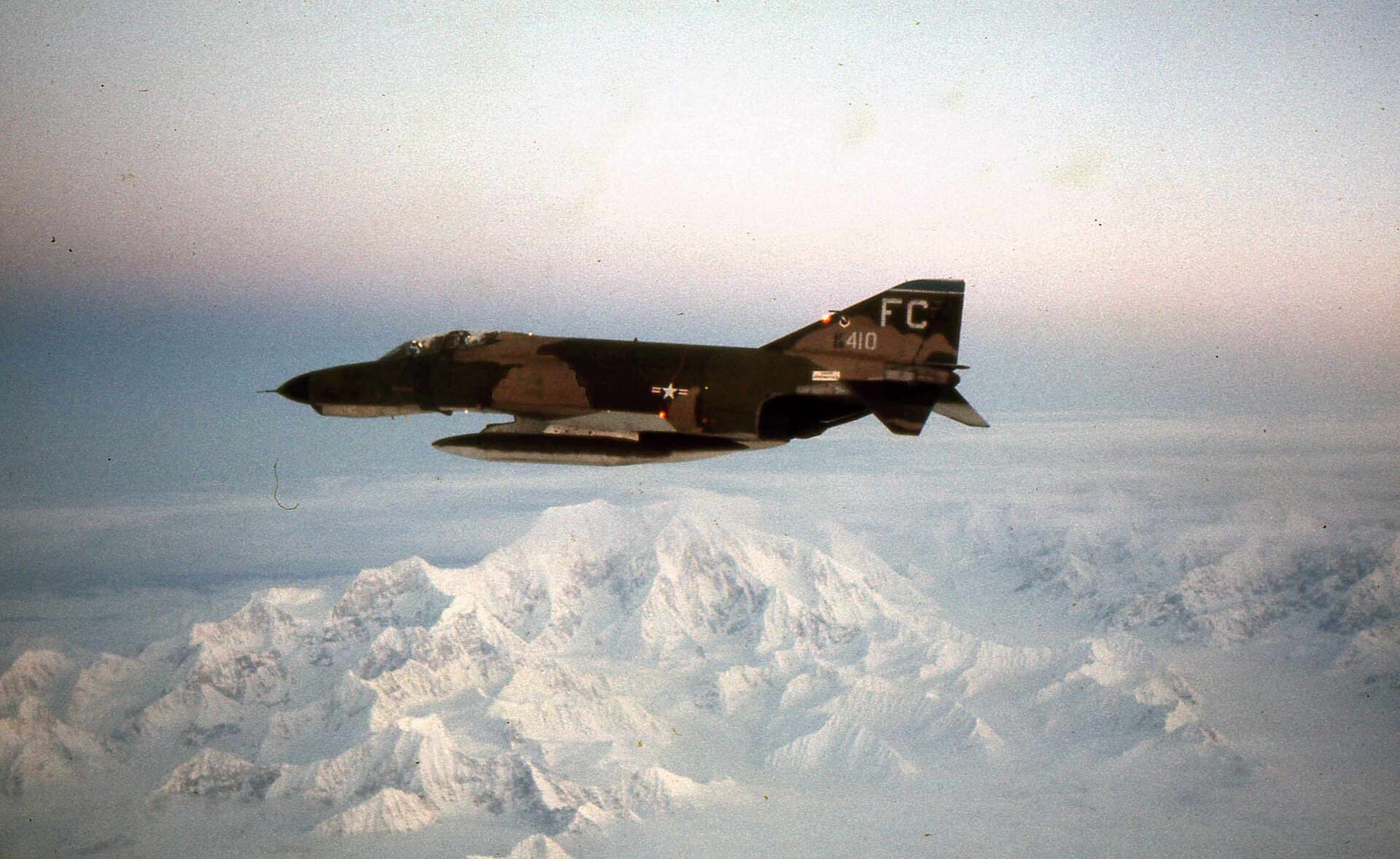
F-4 Phantom II
Exhibit 11McDonnell Aircraft · first flight 1958
Brute force and twin J79s: the fighter that flew every mission in Vietnam.
SR-71 Blackbird
Exhibit 12Lockheed (Skunk Works) · first flight 1964
Mach 3.2 at 85,000 feet, made of titanium, never once shot down.
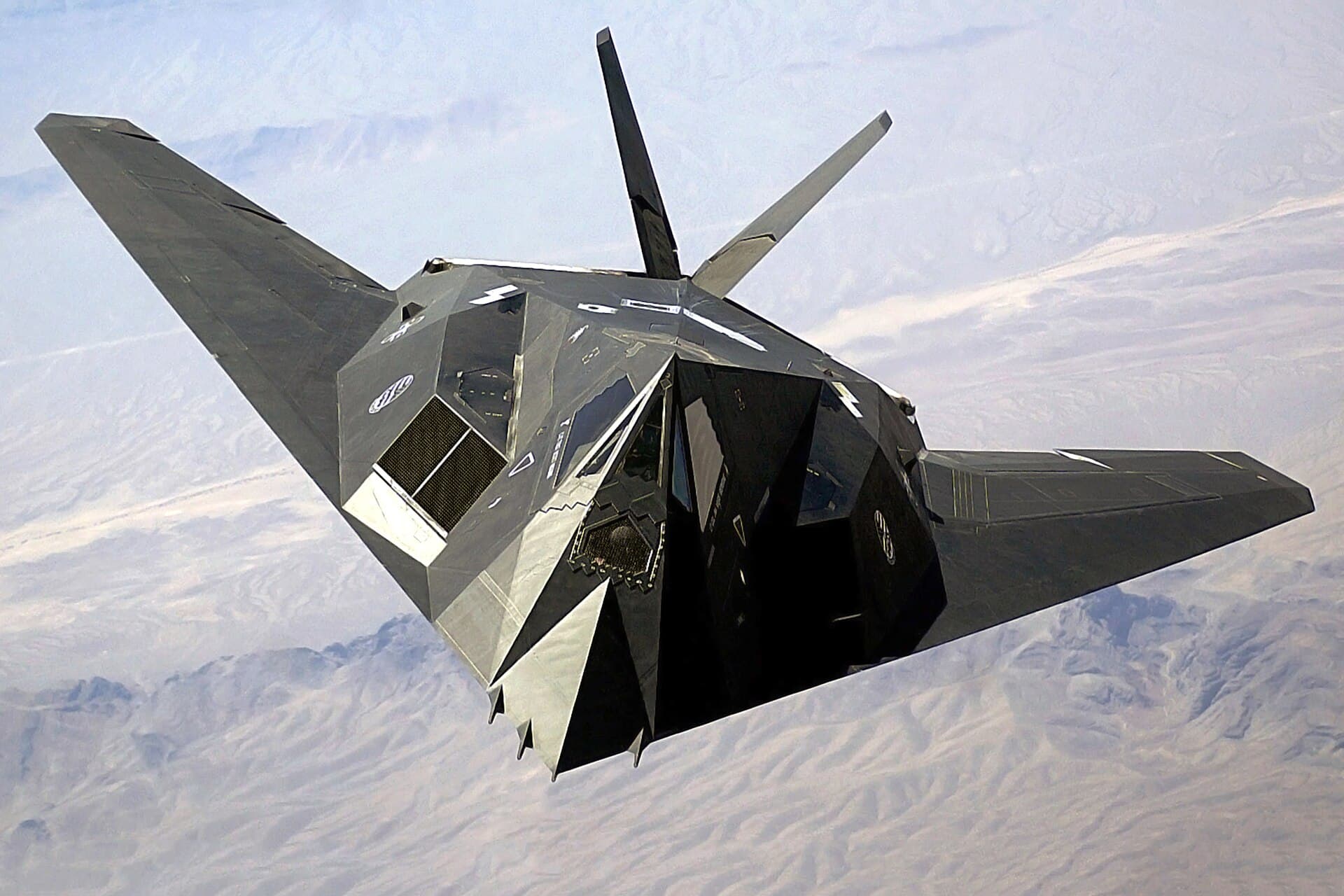
F-117A Nighthawk
Exhibit 13Lockheed (Skunk Works) · first flight 1981
The airplane designed by an equation: faceted, invisible, and secret for a decade.
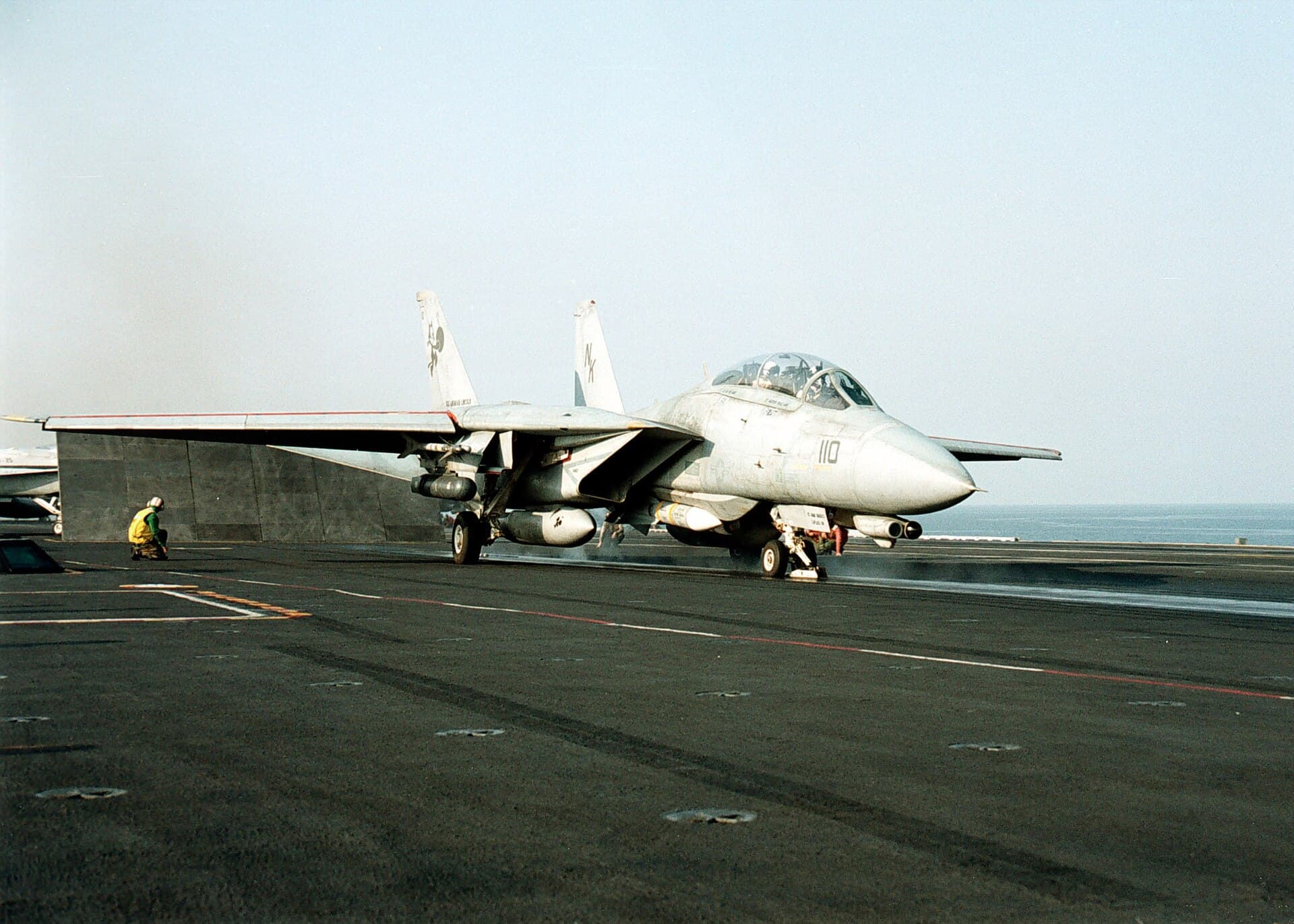
F-14 Tomcat
Exhibit 14Grumman · first flight 1970
Swing wings, a hundred-mile missile, and the burden of being adored.
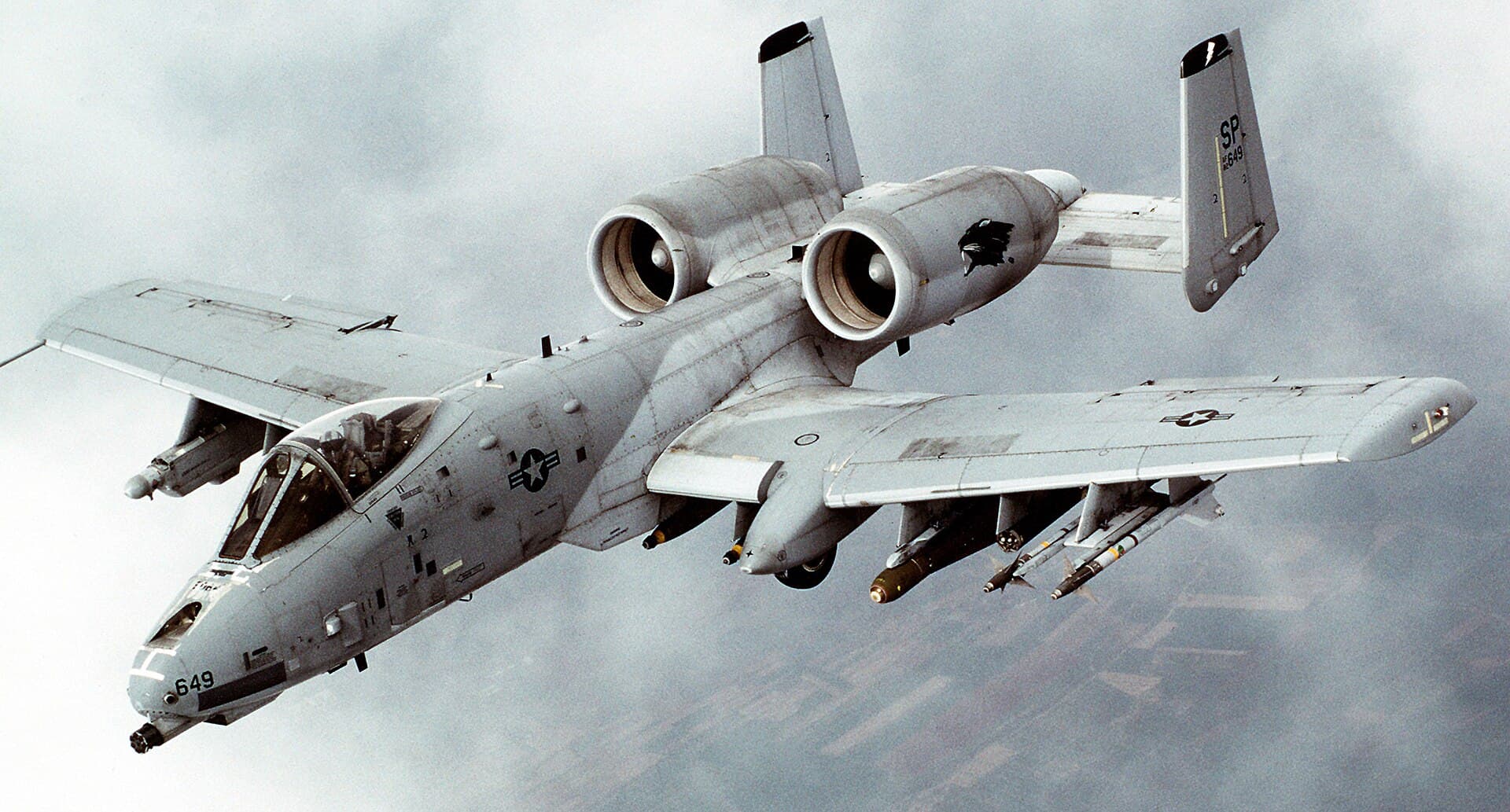
A-10 Thunderbolt II
Exhibit 15Fairchild Republic · first flight 1972
A titanium bathtub, a 30mm cannon, and the airplane built around both.
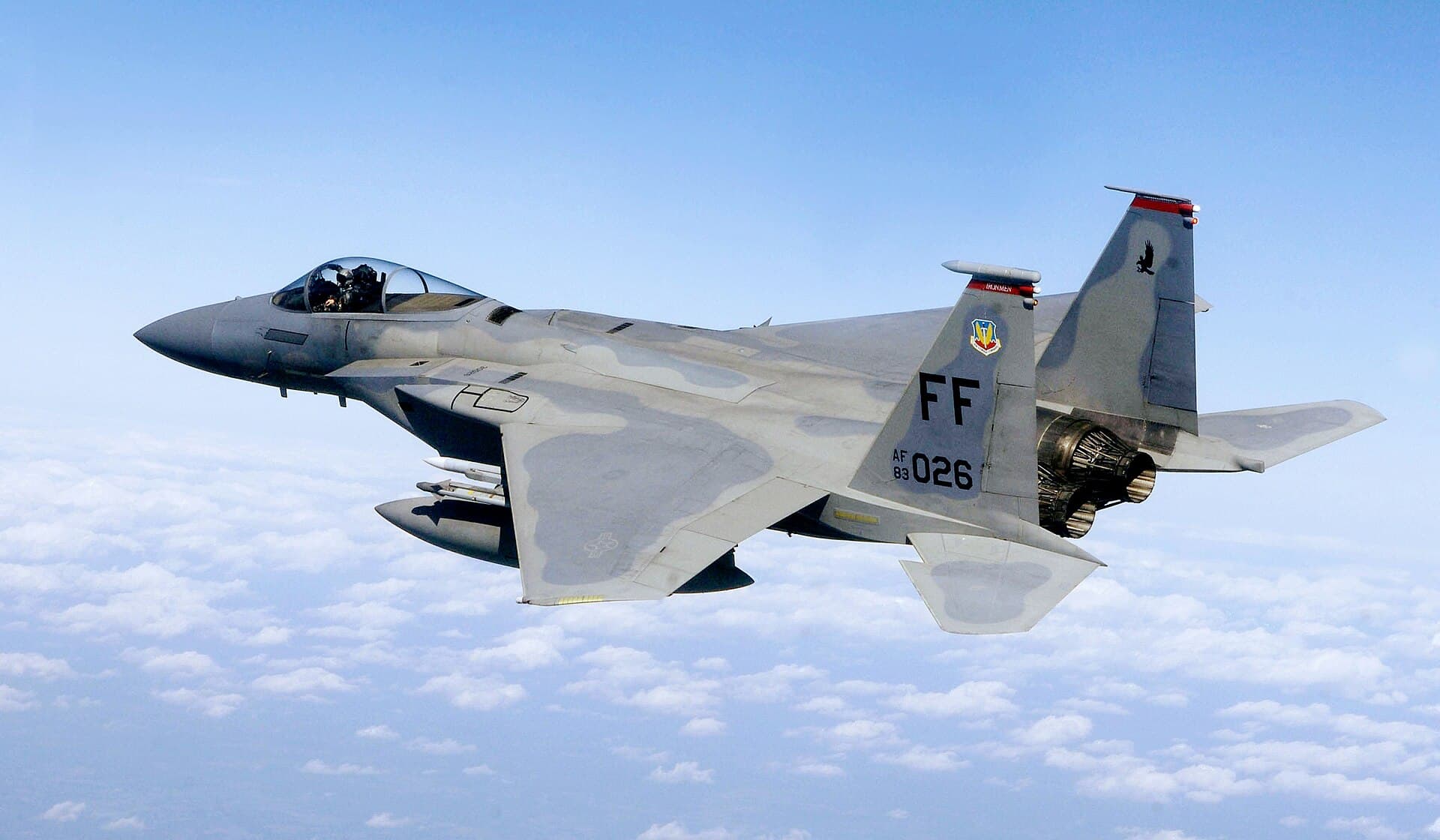
F-15 Eagle
Exhibit 16McDonnell Douglas (now Boeing) · first flight 1972
Not a pound for air-to-ground: 104 victories, zero defeats.
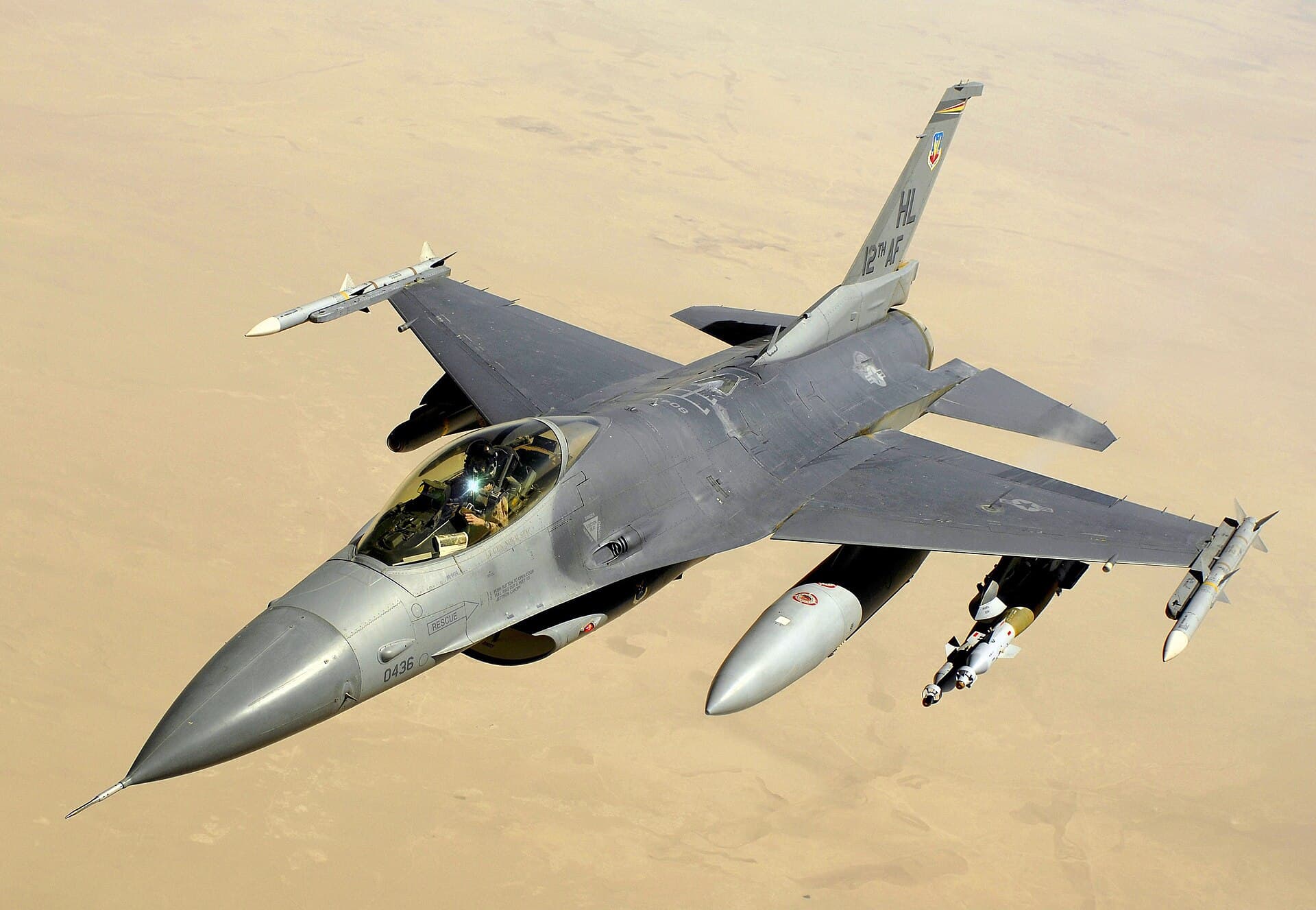
F-16 Fighting Falcon
Exhibit 17General Dynamics (now Lockheed Martin) · first flight by accident)
The Fighter Mafia's heresy: small, unstable, fly-by-wire — and it conquered the world.
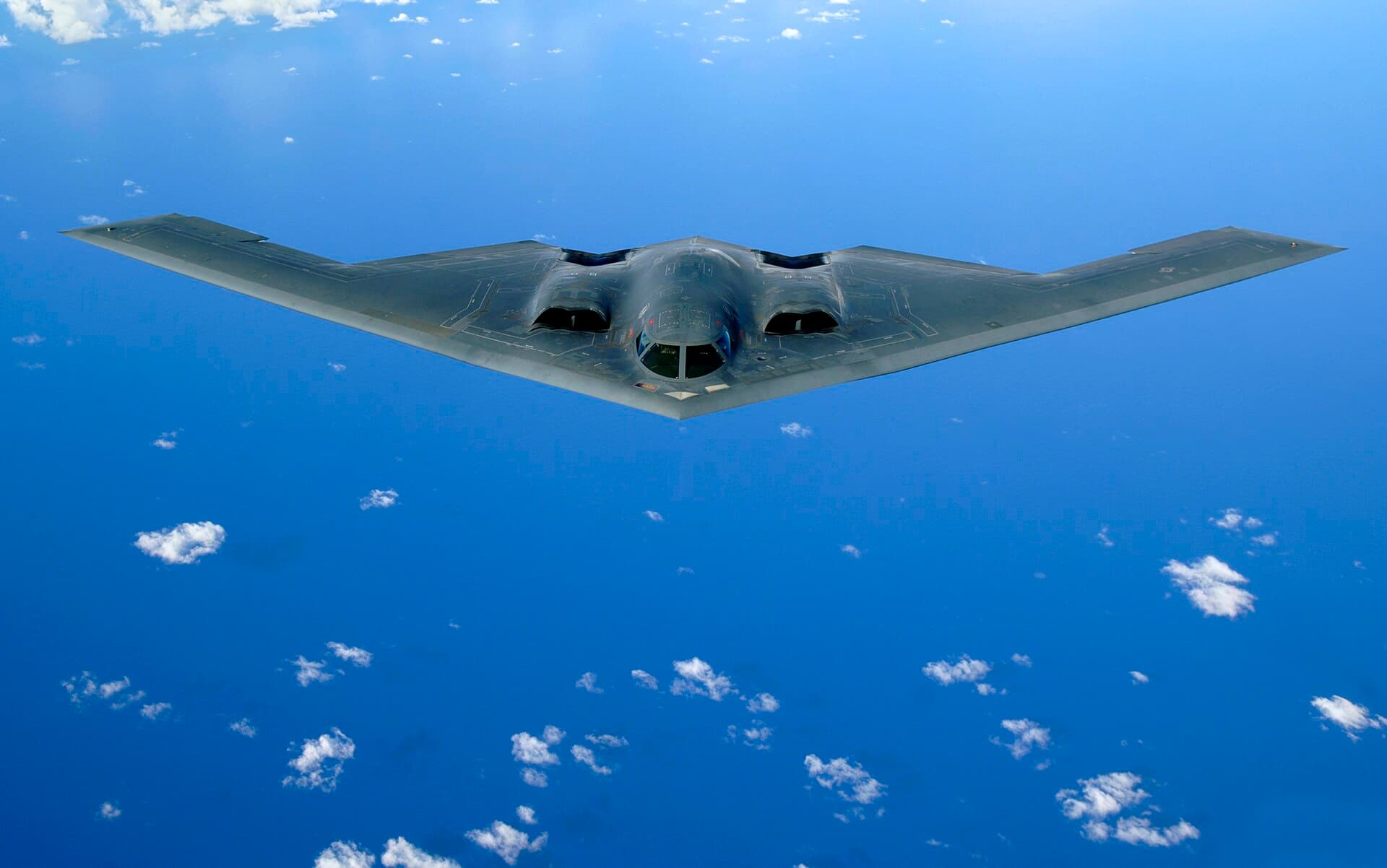
B-2 Spirit
Exhibit 18Northrop (now Northrop Grumman) · first flight 1989
Jack Northrop's flying wing, resurrected by computers and cloaked from radar.
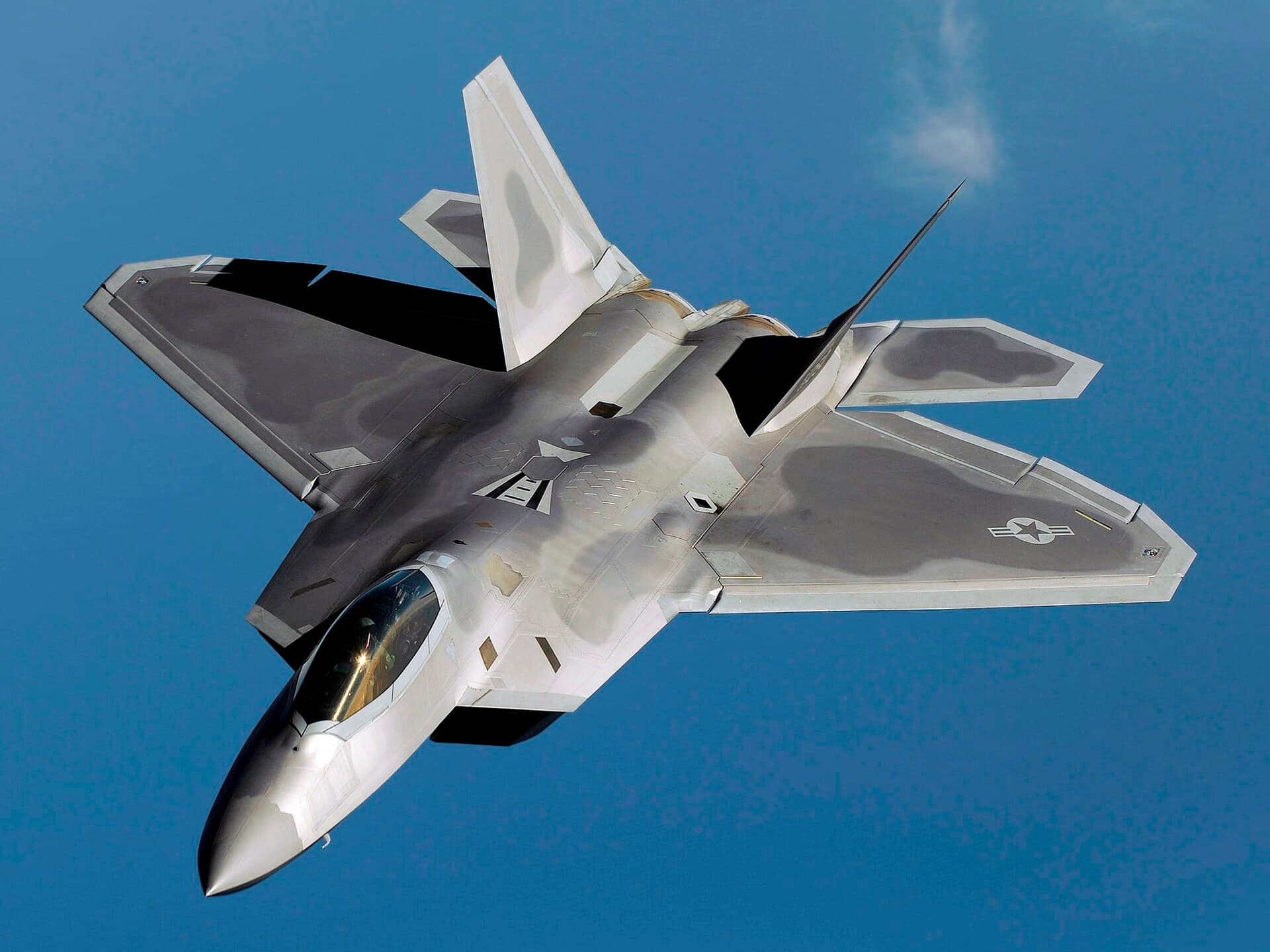
F-22 Raptor
Exhibit 19Lockheed Martin / Boeing · first flight 1997 (F-22 EMD)
Stealth, supercruise, and sensor fusion — the fighter from a war that ended before it arrived.